

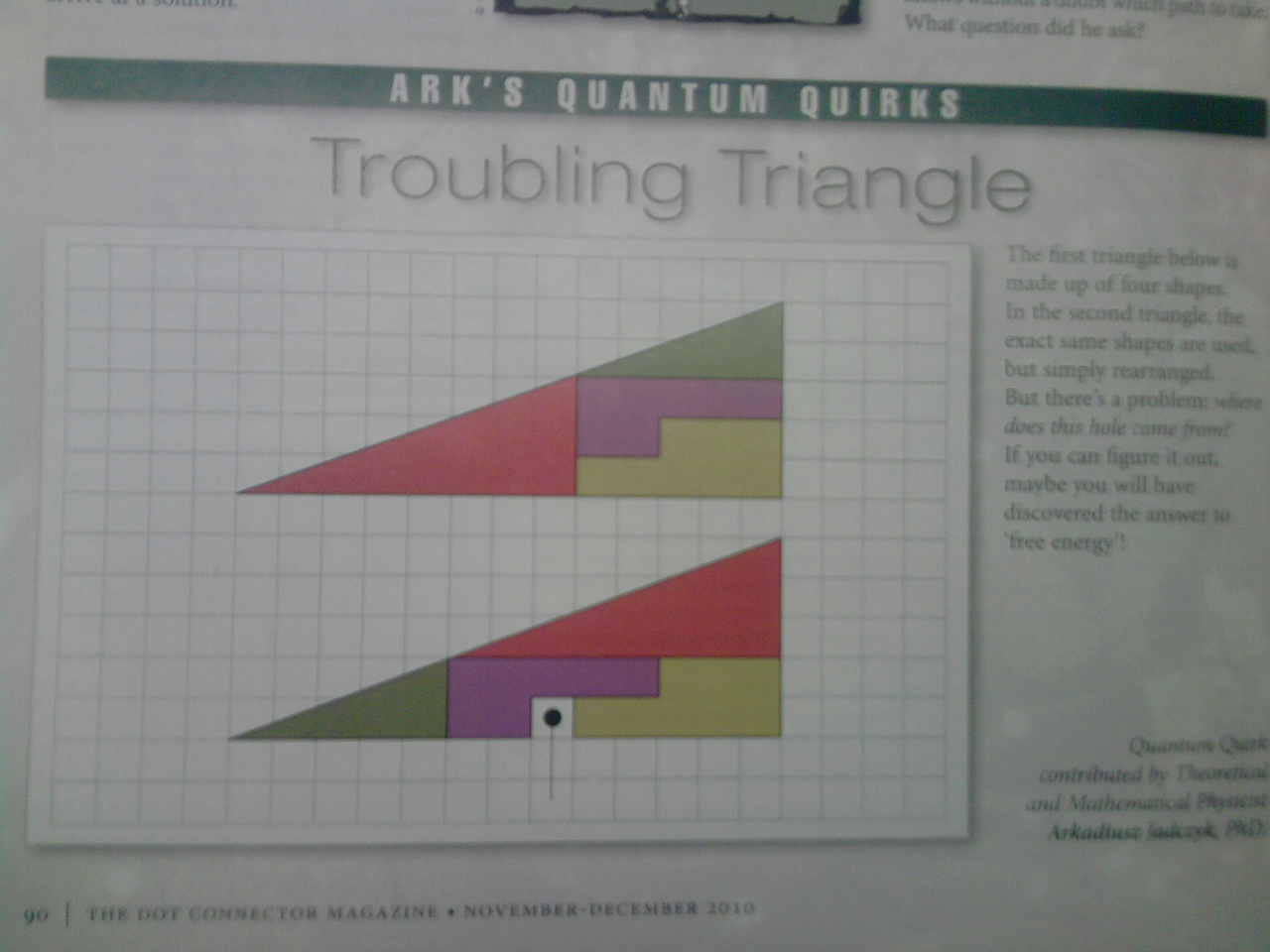
on page 90 of the DCM number 12 is the Troubling Triangle from Ark.
since I saw it I was fascinated by this Triangle.
I'm sorry if the questions I'm asking are silly but I'm curious.
I've made a model of this triangle that is four times bigger then it is shown in the Magazine out of paper.
I made one triangle in wich the pieces are cut and one triangle that is intact.
now when I overlay the cut out pieces on the fixed triangle in the configuration that no "hole" is seen, the outer edges of the cut out pieces fit pretty good with the outer edges of the intact triangle.
but when I change the configuration of the cut out pieces into the position where the "hole" appears it seems like the outer edges of the cut out triangle overlap the intact triangle a bit.
after that I made the same model out of plexiglas and made the intact triangle like that (fixed with glue):
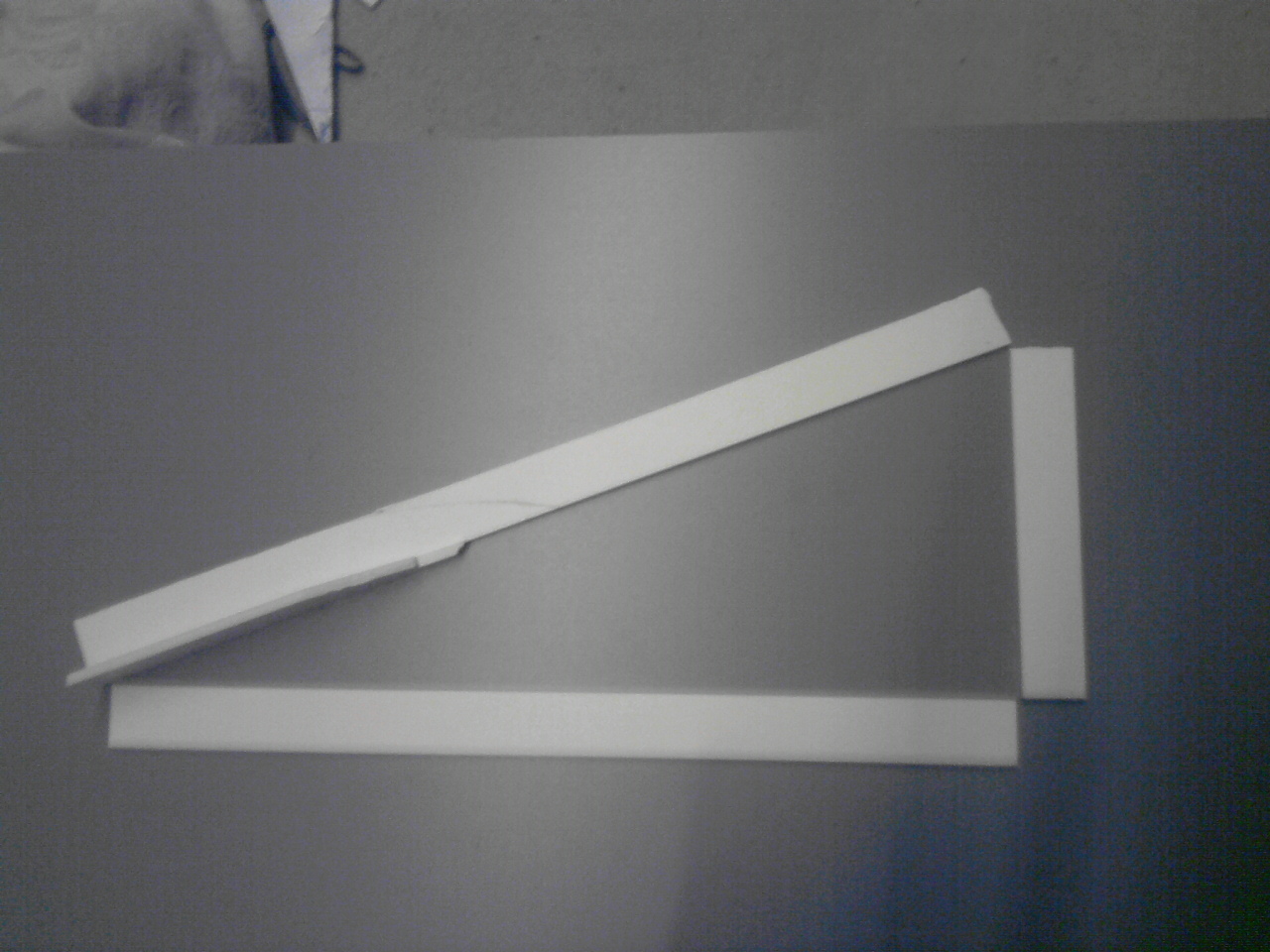
the configuration without the hole (notice the free spaces):
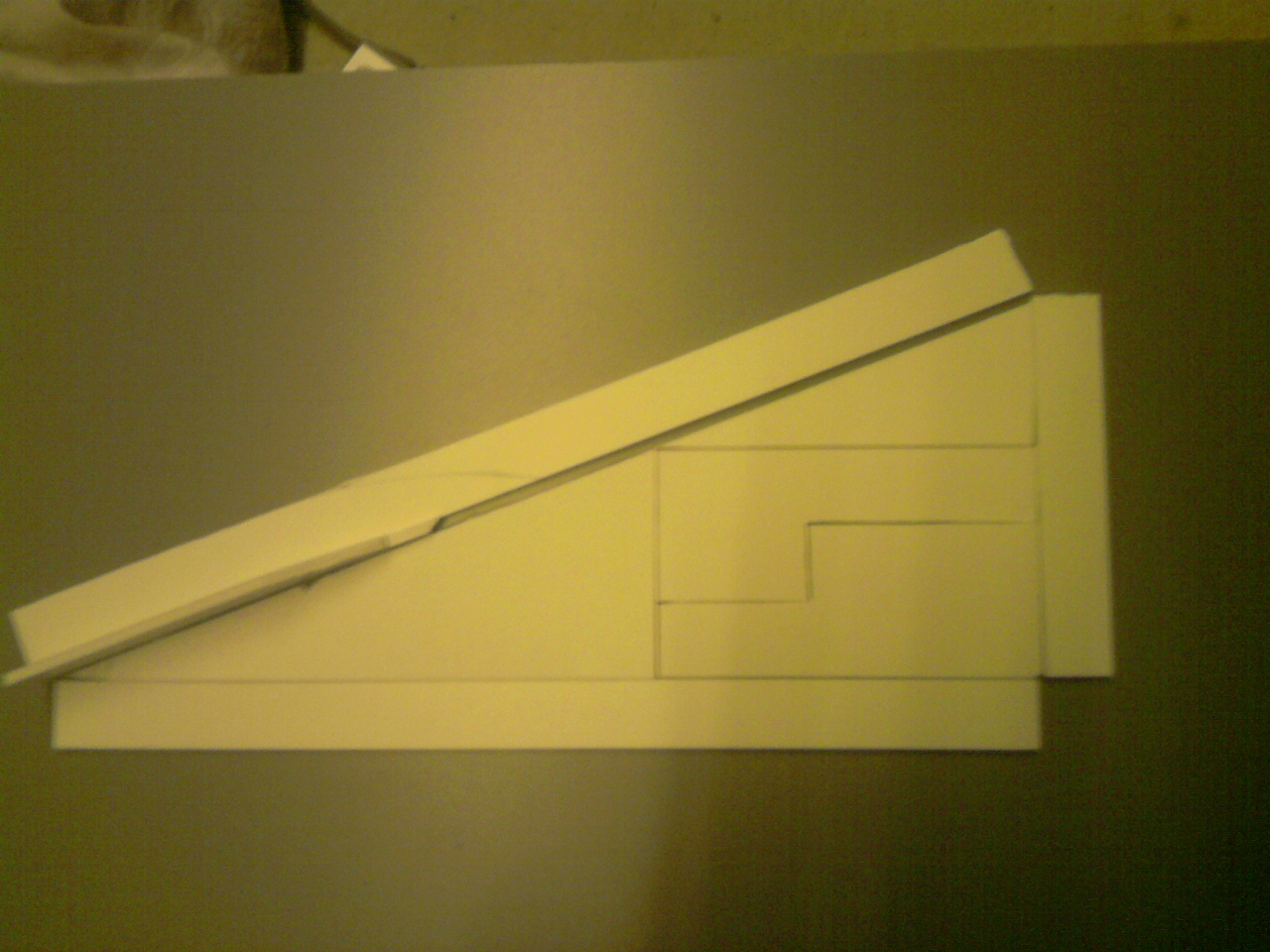
the configuration with the hole (notice the free spaces are now a bit less):
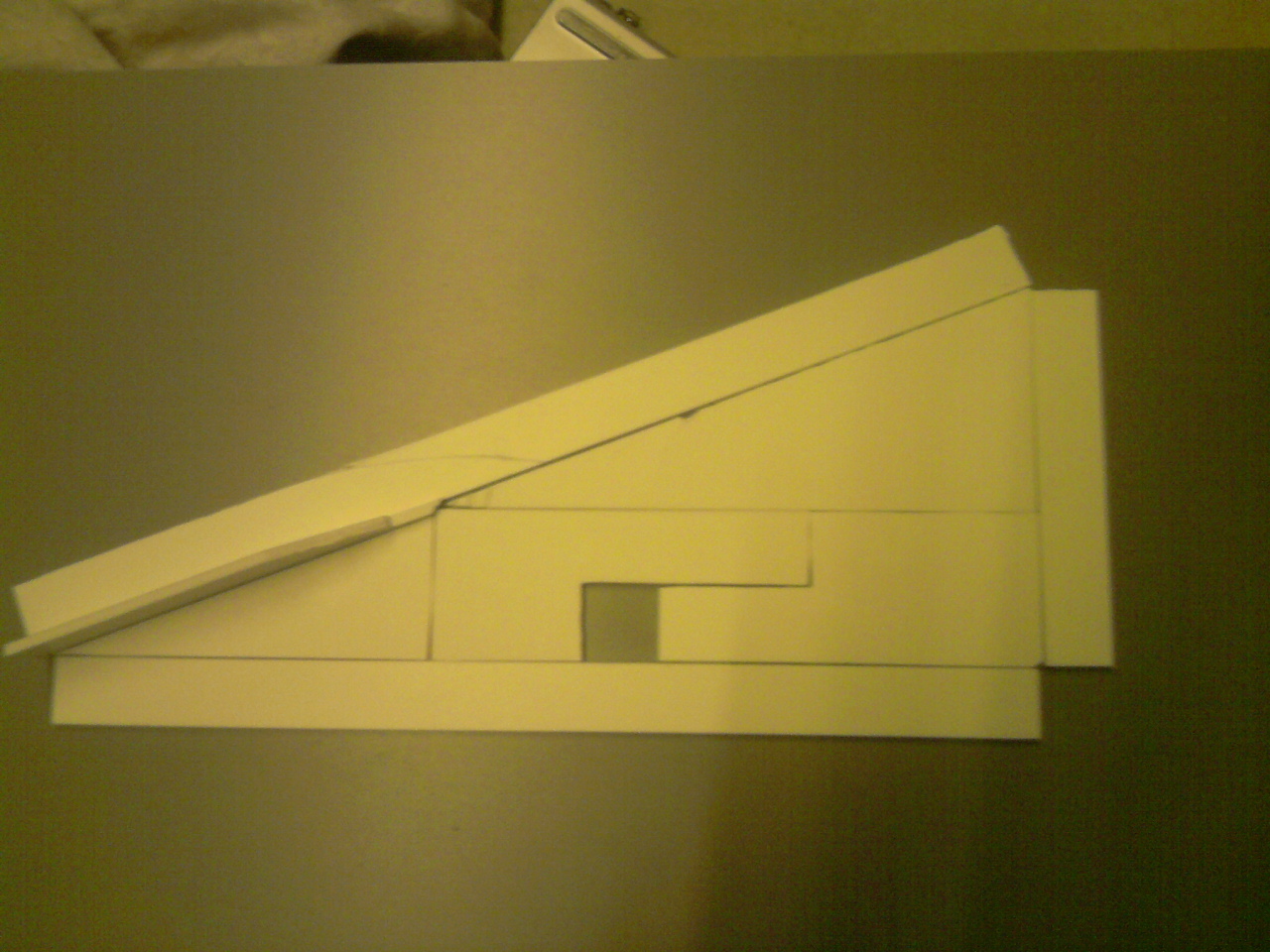
now the questions:
is there actually more free space with the last example or is it the exact same free space as in the second photo just rearranged so that the impression of more free space is created?
is there actually more free space ?
is that proof that there is more to this triangle then we can perceive (other dimensions?)
is the overlaping in the paper model (and the more space in the Plexiglas model) coused by the inaccuracy of my cut ?
is this Troubling Triangle actually what it appears to be (something impossible in 3D terms)?
since I saw it I was fascinated by this Triangle.
I'm sorry if the questions I'm asking are silly but I'm curious.
I've made a model of this triangle that is four times bigger then it is shown in the Magazine out of paper.
I made one triangle in wich the pieces are cut and one triangle that is intact.
now when I overlay the cut out pieces on the fixed triangle in the configuration that no "hole" is seen, the outer edges of the cut out pieces fit pretty good with the outer edges of the intact triangle.
but when I change the configuration of the cut out pieces into the position where the "hole" appears it seems like the outer edges of the cut out triangle overlap the intact triangle a bit.
after that I made the same model out of plexiglas and made the intact triangle like that (fixed with glue):
the configuration without the hole (notice the free spaces):
the configuration with the hole (notice the free spaces are now a bit less):
now the questions:
is there actually more free space with the last example or is it the exact same free space as in the second photo just rearranged so that the impression of more free space is created?
is there actually more free space ?
is that proof that there is more to this triangle then we can perceive (other dimensions?)
is the overlaping in the paper model (and the more space in the Plexiglas model) coused by the inaccuracy of my cut ?
is this Troubling Triangle actually what it appears to be (something impossible in 3D terms)?



 because of my limited thinking.


