

palestine
The Living Force
Saw the topic on Substack, random article found:
Wolf Reintroduction Changes Ecosystem in Yellowstone
So we knew comrade Wolf was rather a positive & required element in ecosystems - but reading the article hints at the under-estimation of our common appreciation. Seems even science is baffled.
Here is an example:
And so on:
I think it's a "whole" and all parts must be working, in unison in order to be a "functioning whole":
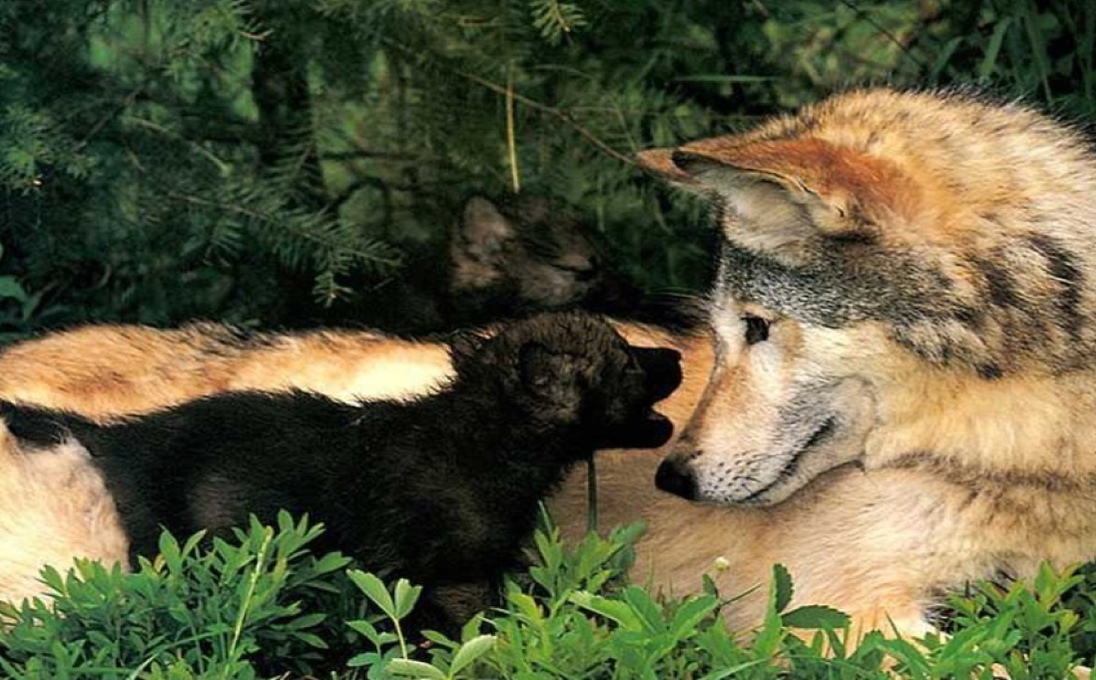
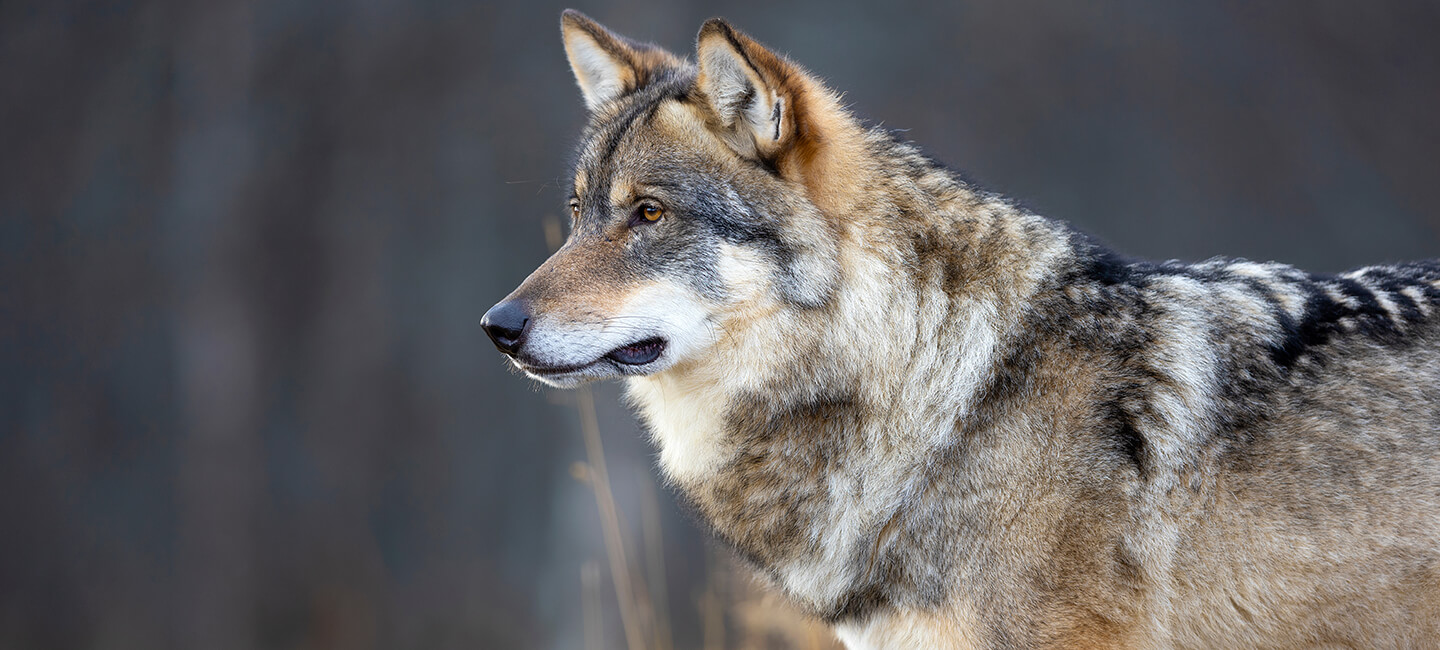
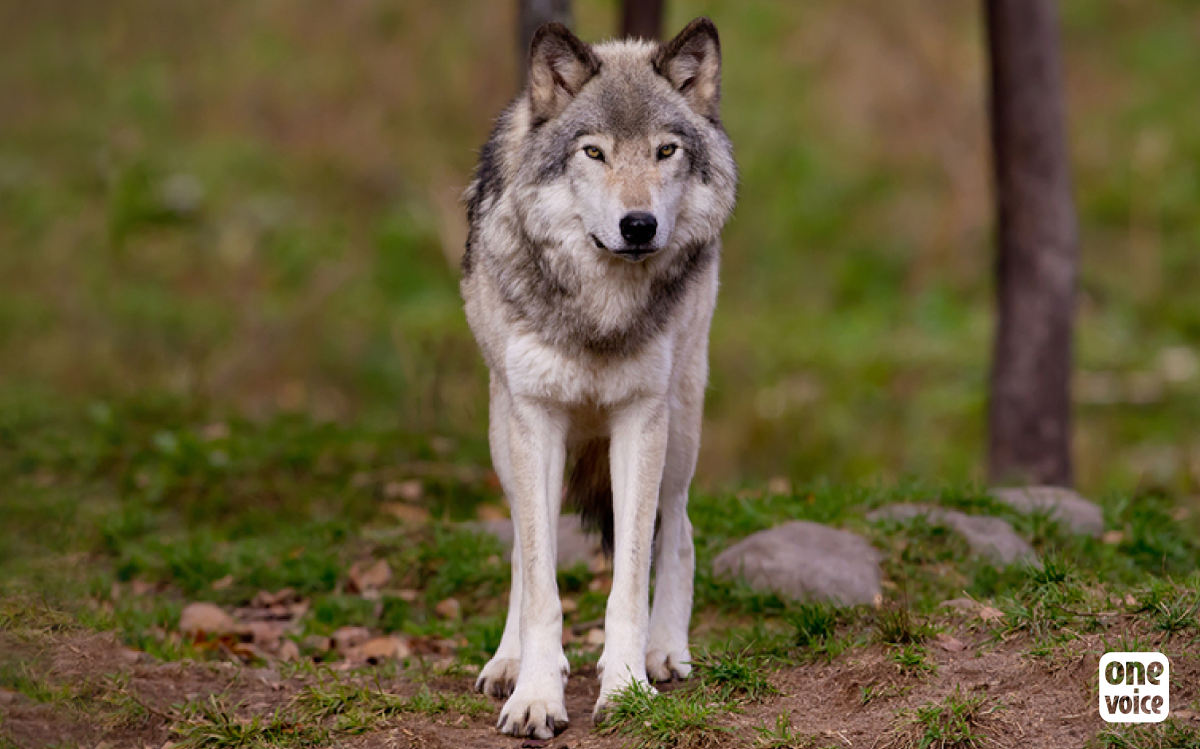

Wolf Reintroduction Changes Ecosystem in Yellowstone
Wolf Reintroduction Changes Ecosystem in Yellowstone
Wolves are causing a trophic cascade of ecological change, including helping to increase beaver populations and bring back aspen, and vegetation.
the reintroduction of wolves continues to astonish biologists with a ripple of direct and indirect consequences throughout the ecosystem
the presence of wolves triggered a still-unfolding cascade effect among animals and plants - one that will take decades of research to understand
So we knew comrade Wolf was rather a positive & required element in ecosystems - but reading the article hints at the under-estimation of our common appreciation. Seems even science is baffled.
Here is an example:
... you have to go back to the 1930s, when the wolf was killed off in Yellowstone. Even though Yellowstone elk were still preyed upon by black and grizzly bears, cougars and, to a lesser extent, coyotes, the absence of wolves took a huge amount of predatory pressure off the elk, said Smith. As a result, elk populations did very well-perhaps too well. Two things happened: the elk pushed the limits of Yellowstone’s carrying capacity, and they didn’t move around much in the winter-browsing heavily on young willow, aspen and cottonwood plants. That was tough for beaver, who need willows to survive in winter.
Healthier Willow Stands in Yellowstone
This created a counterintuitive situation. Back in 1968, said Smith, when the elk population was about a third what it is today, the willow stands along streams were in bad shape. Today, with three times as many elk, willow stands are robust. Why? Because the predatory pressure from wolves keeps elk on the move, so they don’t have time to intensely browse the willow.
Indeed, a research project headed by the U.S. Geological Survey in Fort Collins found that the combination of intense elk browsing on willows and simulated beaver cuttings produced stunted willow stands. Conversely, simulated beaver cutting without elk browsing produced verdant, healthy stands of willow. In the three-year experiment, willow stem biomass was 10 times greater on unbrowsed plants than on browsed plants. Unbrowsed plants recovered 84 percent of their pre-cut biomass after only two growing seasons, whereas browsed plants recovered only 6 percent.
And so on:
... willow stands recovered from intense browsing, and beaver rediscovered an abundant food source that hadn’t been there earlier.
As the beavers spread and built new dams and ponds, the cascade effect continued, said Smith. Beaver dams have multiple effects on stream hydrology.
I think it's a "whole" and all parts must be working, in unison in order to be a "functioning whole":
what happens when a key species is added back into the ecosystem equation


