Iranian Perspective on Hormuz Ceasefire — Apr 17, 2026
Context: While Trump declares "Hormuz is open, THANK YOU!" and frames Iran as cooperating under pressure, Iranian state media is telling a completely different story. The Iranian narrative is not one of capitulation — it's one of controlled strength, tactical superiority, and strategic preparation for what comes next.
Sources: PressTV, IRNA (Islamic Republic News Agency), Iran Press, Tehran Times — all state-controlled or state-aligned outlets. This IS the voice of the regime.
The Iranian narrative: "We won. We opened it because WE control it."
1. IRGC locked 16 cruise missiles on US warships — Americans fled
"The IRGC Navy locked more than a dozen cruise missiles onto aggressive US warships moments before they hastily retreated."
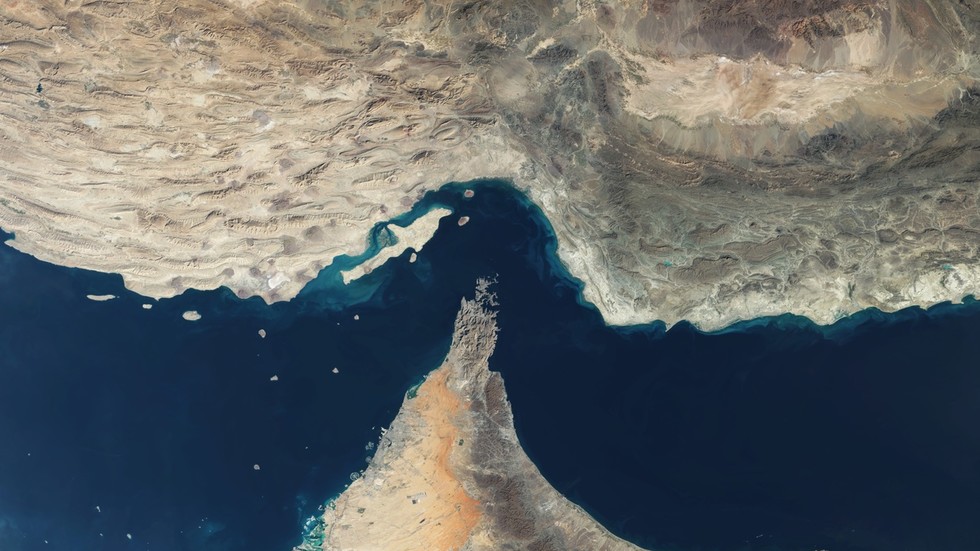
According to Iranian military sources, US warships disregarded initial warnings in the strait. The IRGC then placed 16 cruise missiles in locked firing position with an ultimatum: leave within minutes or we fire. The US requested 15 minutes to communicate with command. The standoff lasted less than one hour before American destroyers "rapidly departed."
Post-incident, a senior Iranian military official stated that civilian passage through the strait now requires IRGC coordination — only civilian ships are permitted through designated routes with IRGC permission. In other words: Iran is running Hormuz like a checkpoint, not surrendering it.
Whether this happened exactly as described is debatable — Iranian state media isn't Reuters. But the fact they're publishing this on the SAME DAY as "Hormuz is open" is the tell. The message to the domestic audience: we didn't capitulate, we're opening it because WE control it, not because Trump told us to.
Source: Iran Press
Source: PressTV (exclusive)
2. Iran pre-positioned 174 million barrels beyond US Navy reach
"Iran has shifted roughly 174 million barrels of its oil into offshore storage, positioning its tankers in a way that would make a potential U.S. maritime blockade ineffective and securing nearly 80 days of continued exports."
This one has real teeth — sourced from DropSite, an independent energy tracking firm, not Iranian propaganda:
- 15 tankers near Chabahar port (outside the Gulf, Indian Ocean side)
- 96 vessels stationed off Malaysia's coast (completely beyond US Navy interdiction)
- Multiple tankers in the Strait of Malacca
- 23 million barrels east of the "US toll line" in the Gulf of Oman
Iran pre-loaded at
three times the normal export rate before tensions escalated. This provides approximately 80 days of continued exports without loading a single barrel from Iranian ports. The blockade Trump is bragging about is primarily symbolic — Iran's actual export capacity was pre-positioned beyond interdiction range. China is still getting supply via Malaysia.
Source: Iran Press
3. "Second US carrier burns" — fleet crumbling narrative
"Another US supercarrier has suffered a fire-related incident, marking the latest in a series of operational failures plaguing American naval assets since Washington launched a war of terrorism with Israel on Iran."
PressTV reports a second carrier fire incident, framing it as systemic degradation of US naval power under the strain of sustained operations. The narrative: America's fleet is overstretched, aging, and breaking down. Whether exaggerated or not, this is what Tehran is telling its people — the Americans can't sustain this.
Source: PressTV
4. Iran REJECTS temporary ceasefire — demands permanent end
"Iran's Deputy Foreign Minister has stressed that the Islamic Republic opposes any temporary ceasefire and insists the cycle of war must end permanently."
This is the critical one. The Apr 22 ceasefire expiry isn't a deadline Iran accepts as a framework — they want permanent terms or nothing. A new Hormuz "protocol" is being floated as a possible alternative to the current arrangement. Iran is psychologically prepared for the ceasefire to collapse.
Source: PressTV
5. "Finger on the trigger" — IRGC ready for "regret-inducing response"
"The Army and the IRGC have their 'finger on the trigger' and are prepared to deliver a powerful, destructive, and regret-inducing response to any aggressive or criminal action by the US-Israeli enemy."
Published today. Same day as the Hormuz opening. Same day Trump says "GREAT AND BRILLIANT DAY FOR THE WORLD." The IRGC is publicly stating it's ready for the next round — in the same news cycle as the supposed peace breakthrough.
Source: IRNA
6. IRGC dismantling US-Israeli terror cells inside Iran
"The IRGC has dismantled several terrorist teams linked to the Israeli regime and the United States in Iran's southeastern province of Sistan and Baluchestan."
Internal security operations framed as counter-espionage. The regime is telling its people that even as ceasefire holds externally, the US and Israel are running covert operations inside Iranian territory. This keeps the war footing alive domestically.
Source: IRNA
7. Ceasefire framed as "Axis of Resistance victory"
"The ceasefire is a direct outcome of Washington and Tel Aviv's failure to achieve their goals."
Iran is framing the ceasefire not as a concession but as proof that the US-Israeli campaign failed. Hezbollah is being credited for forcing the Lebanon truce. Yemen's Ansarullah (Houthis) and Palestinian factions publicly hailed it as a victory. The regime narrative: we stood firm, they blinked.
Source: IRNA
8. Iran rejects UAE "maritime corridor" proposal
"Iran has vehemently rejected a UAE-backed proposal adopted by IMO on a 'maritime corridor' in the Strait of Hormuz."
Iran shot down a UAE-backed proposal at the International Maritime Organization to create an internationally managed "maritime corridor" through the strait. Message: Hormuz is Iranian sovereign territory, not an international commons. Nobody else gets to write the rules.
Source: PressTV
The contrast: two parallel realities
| Trump's Reality | Iran's Reality |
|---|
| "Hormuz is open, THANK YOU!" | "We locked 16 missiles on their ships, they fled" |
| "Iran's Navy at bottom of sea" | "Second US carrier burning, fleet crumbling" |
| "Deal almost done" | "We reject any temporary ceasefire" |
| "Iran removing mines cooperatively" | "Finger on trigger, ready for regret-inducing response" |
| "War very close to over" | Pre-positioned 174M barrels for 80-day siege |
| "Iran agreed to NEVER close Hormuz again" | Rejected UAE maritime corridor — Hormuz is ours |
Both sides are telling their domestic audiences they WON. Both are simultaneously preparing for the next round.
Tactical assessment: denial to control
Iran is playing a double game:
- Publicly cooperating — opening Hormuz, removing mines, talking peace through Pakistan
- Privately preparing — missile locks on US ships, 80 days of pre-positioned oil, IRGC on full alert, rejecting temporary ceasefire
- Controlling the narrative — we faced them down, they retreated, we opened Hormuz on OUR terms
The mine removal might be real, but if Iran pre-positioned 174M barrels offshore and is claiming missile superiority in the strait, they may be trading a defensive asset they no longer need for diplomatic breathing room. The mines were useful when Iran needed to BLOCK the strait. If Iran's new play is CONTROLLING the strait (IRGC checkpoint model), mines are actually a liability — they block everyone including your own ships.
The mine removal isn't necessarily capitulation. It could be a
tactical pivot from denial to control. Which is actually MORE dangerous for the post-Apr 22 scenario — because a controlled strait with IRGC missile batteries is harder to challenge politically than a mined one. Mining is an act of war. "Coordinated maritime routes with IRGC permission" is sovereign policing.
Key takeaway
The ceasefire is a repositioning pause, not peace. Iran is preparing for a long game (80 days of offshore oil reserves), rejecting Trump's framework (no temporary ceasefire), maintaining military readiness (finger on trigger), and reframing the narrative (Axis of Resistance victory). Apr 22 ceasefire expiry remains the critical inflection point.
Sources