The Situation in Mexico

Feb. 11, 2026Updated 4:18 p.m. ET
The secretary of transportation said the military had neutralized a drug cartel drone. Two officials said testing of counter-drone technology prompted the closure. The F.A.A. initially said it would last 10 days.

During these tests or operations, the military shot down or neutralized several objects, including mylar balloons (metallic party balloons) that were mistaken for drones. Sources such as CBS News, CNN, and The New York Times explicitly mention the "party balloon shoot-down" as part of what contributed to the confusion and temporary closure of the airspace.
Fox News first reported that the airborne object was intercepted after raising concerns of a potential drone operating near the southern border. Officials later concluded the object was not an unmanned aircraft but a party balloon, a U.S. official told the outlet
FIASCO IN THE US
The US military shot down what it believed to be a foreign drone near El Paso, but it turned out to be a party balloon — Fox News.​

Cartel drones would be a good excuse to invade Mexico, but it could also be a cover-up.
juno-aliens-meme-spray-fanart-idea-by-u-tinte648-v0-nsau86dbqyud1.jpg
 
VIVA MEXICO!

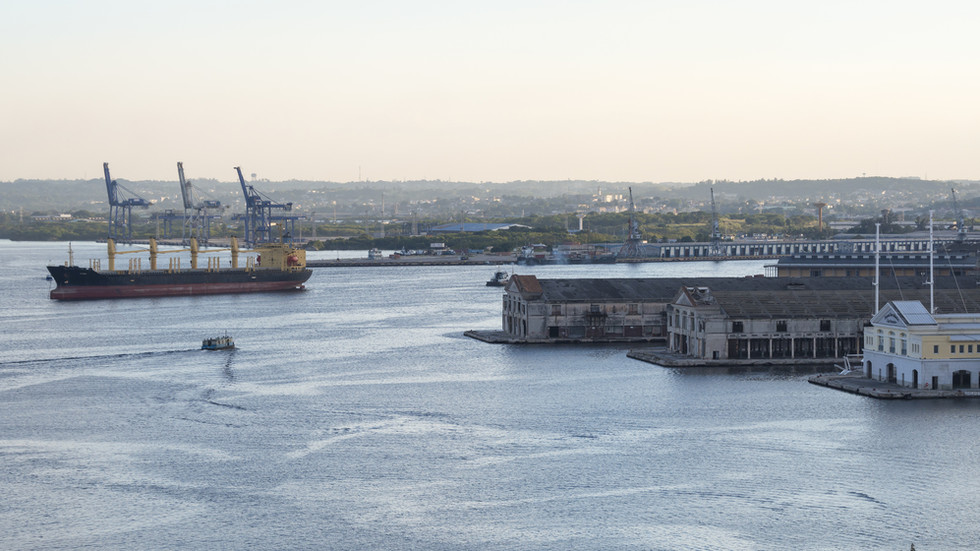
Mexican humanitarian cargo reaches Cuba amid energy crunch​


"Mexican ships carrying humanitarian aid have docked in Havana, challenging a US blockade"

"The Mexican deliveries arrived on Thursday, two weeks after US President Donald Trump threatened tariffs on any country selling or supplying oil to Cuba."


Mexico says no to the Board of Peace​

President Claudia Sheinbaum rejected Mexico's formal integration into the so-called Board of Peace. The main reason Sheinbaum gave during her morning press conference on February 17, 2026, was as follows:

Mexico recognizes Palestine as a sovereign state (a historic position of Mexican foreign policy), and therefore considers it essential that any peace process in the region include the equal participation of both parties: Israel and Palestine. However, the Peace Board's call did not contemplate the inclusion of Palestine on equal terms, which made it incompatible with Mexican principles of multilateralism, peaceful settlement of disputes, and respect for international law.

Sheinbaum emphasized that the Mexican government values any effort toward peace, but in this specific case, the criterion of inclusion was not met. Therefore, Mexico declined to become a full member.

Instead, it agreed to participate only as an observer (without a vote or formal commitments) and sent Mexico's ambassador to the United Nations (Héctor Vasconcelos) in that role to closely monitor the process without compromising the country's position.

The Cuban Situation

During her press conference on February 13, 2026, Sheinbaum proposed that Mexico serve as an air bridge to facilitate the arrival of humanitarian aid to Cuba, amid a shortage of jet fuel on the island due to the blockade and the energy crisis.

Specifically, she indicated that any aircraft (from international airlines or any other source) could land on Mexican territory to refuel and continue on its route to Cuba, provided that the purpose was to bring support or aid to the island. Aircraft would have to pay for jet fuel.

The Cuban-American community in Miami is pushing for more restrictions, such as the cancellation of export licenses, and analysts suggest that the goal is to force a collapse of the government or negotiations in Cuba.

Trump has described Cuba as a "failed state" and warned that it poses a "humanitarian threat." He has not ruled out military action to overthrow the Cuban government, although he has said he does not believe it is necessary at this time.​
"Cuba faces a humanitarian threat; they have an embargo where there is no oil, no money, and nothing. If an armed intervention were to take place, as in Venezuela, it would not be a very difficult operation, as you can imagine."​
Trump called Cuba a 'failed nation', as a continuous oil embargo further cripples the country's flights and airport operations​


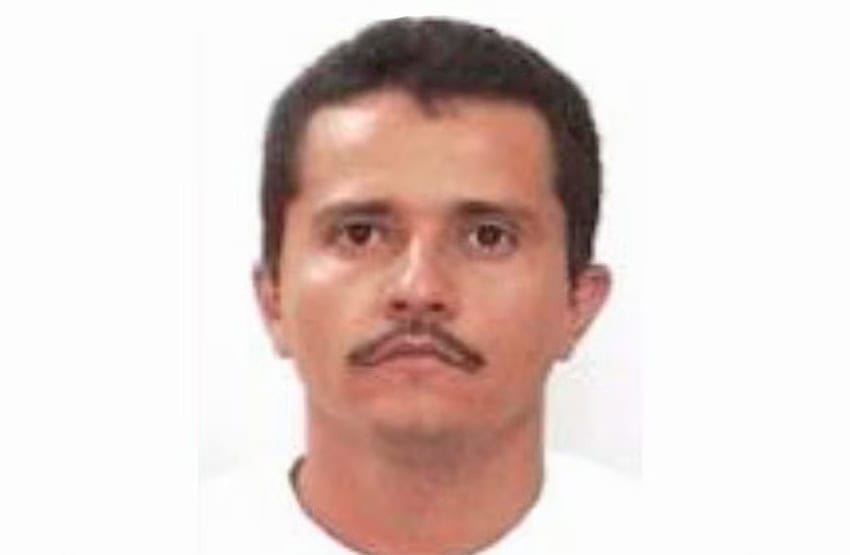
Mexican drug lord "El Mencho" killed in military operation, says government source
MEXICO CITY, Feb 22 (Reuters) - Mexican drug lord Nemesio Oseguera, commonly known as 'El Mencho,' has been killed in a military operation, a government source familiar with the operation told Reuters on Sunday.
An ex-police officer, Oseguera was the shadowy leader of the powerful Jalisco New Generation Cartel (CJNG), an outfit that took its moniker from the western state of the same name that is home to Mexico's second city, Guadalajara.

Over a relatively short period of time, the CJNG morphed into a continents-spanning criminal enterprise rivaling his former allies in the Sinaloa Cartel, the gang of captured kingpin Joaquin 'El Chapo' Guzman, now in a U.S. prison.
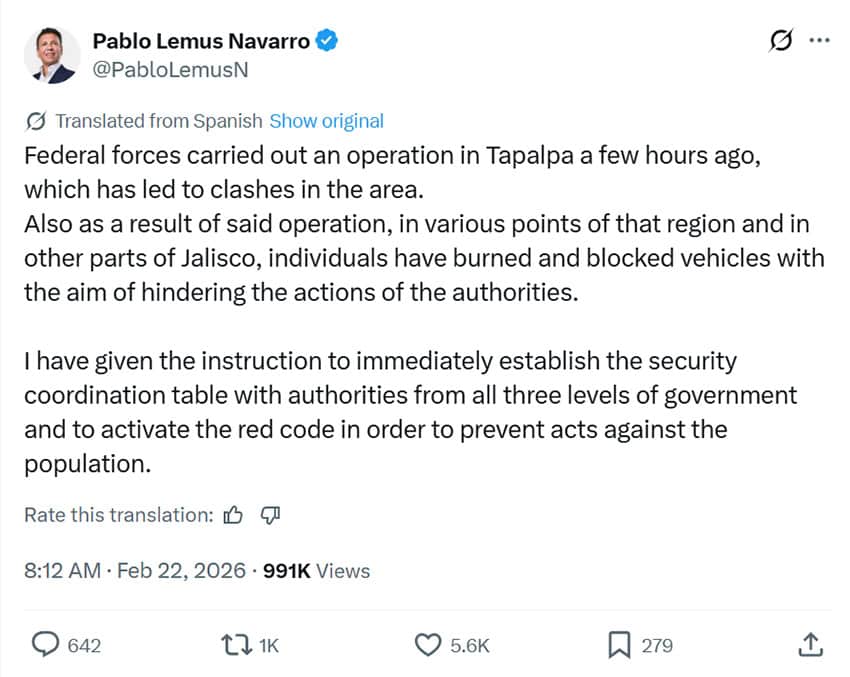
The news of Oseguera's death followed a federal security operation in the state of Jalisco's city of Tapalpa, according to a post by governor Pablo Lemus Navarro on X.
After the operation, multiple vehicles were set on fire throughout Jalisco and other states, according to media outlets and officials.
Alfredo Ramirez Bedolla, the governor of the state of Michoacan, wrote on X that he had received reports of state highways being blocked as a result of the operation in Jalisco.

In several parts of the city of Guadalajara and its metropolitan area, as well as several towns in the state of Jalisco, residents are being advised to stay indoors.

There are also similar reports in other states in Mexico.
 
All hell breaks out in Mexico as Jalisco cartel chief ‘El Mencho’ is killed in a Mexican Army operation


This story is developing and will be updated as we learn more.

Nemesio “El Mencho” Rubén Oseguera Cervantes, founder and top leader of the Jalisco New Generation Cartel (CJNG), was killed by federal forces Sunday morning according to high-ranking officials who confirmed the news to newspaper Milenio.

A tweet from Jalisco Governor Pablo Lemus about a police operation in Tapalpa
Jalisco Governor Pablo Lemus shared updates on the operation on X Sunday morning. (X)
The operation was led by the Army and federal forces in Jalisco, specifically in an area controlled by El Mencho.

Officials have reportedly confirmed that “El Mencho” was killed at the scene, meaning he died in the confrontation.

Reports of security operations started circulating this morning in the municipality of Tapalpa, a town located some 90 kilometers south of Guadalajara, the state’s capital. Residents in that area reported overflights and the presence of military convoys, which foreshadowed a large-scale deployment.

Later, road blockades were reported in at least six states: Jalisco, Michoacán, Colima, Tamaulipas, Guanajuato and Aguascalientes.

Videos that circulated on social media showed the burning of vehicles and public buses in Puerto Vallarta, Guadalajara and Tapalpa. Residents also reported burnings of pharmacies and convenience stores in different parts of Guanajuato.

In Puerto Vallarta, residents reported that the city was under siege by men on motorcycles and the sound of gunshots.

Authorities are maintaining active operations in several states to contain possible reactions and reinforce security following one of the most significant events in the fight against drug trafficking in recent years.

Who was El Mencho?

“El Mencho” was considered the top leader of the CJNG, one of the most powerful and violent cartels in Mexico, with a strong presence in Jalisco, Colima, Michoacán and other states. He also played a key role in the trafficking of methamphetamine and fentanyl to the United States.

The U.S. Department of Justice had issued federal charges against him and offered multimillion-dollar rewards for information leading to his capture.

El Mencho’s death opens the door to possible internal reshuffling, succession disputes, and risks of increased violence in territories where the CJNG operates, something that security specialists see as a likely scenario after the fall of such a concentrated leadership.

With reports from Milenio, El Informador, Se Uno Noticias, and El Financiero
 
Back
Top Bottom